
Around 6:15 in the evening, the customer support floor becomes strangely quiet for two minutes.
Not because work stopped.
Because everyone muted themselves at the same time.
One employee rubbed his forehead slowly while staring at the next incoming call notification like it personally insulted him. Another girl beside him kept repeating the same sentence mechanically:
“I completely understand your concern, sir.”
But her face looked emotionally disconnected from the words now.
By the end of some jobs, people don’t feel tired physically.
They feel socially emptied.
Especially introverts.
Especially people forced into voice-process work because they needed money immediately after college.
India quietly pushed an entire generation into call-heavy careers:
- BPOs
- telecalling
- customer support
- sales
- recruitment
- client servicing
And for some personalities, constant speaking slowly becomes psychological exhaustion.
The problem is many students don’t realize this early.
Schools train people to believe communication means talking continuously.
Corporate culture reinforces it further.
The loud employee becomes “confident.”
The always-available employee becomes “proactive.”
The person constantly on calls becomes “important.”
Meanwhile quieter workers often start questioning themselves:
- “Why do I feel drained after meetings?”
- “Why do calls make me anxious?”
- “Am I weak?”
- “Am I bad at corporate life?”
Not necessarily.
Some people simply work better in environments where attention is directed toward tasks instead of nonstop interaction.
That difference matters more than career influencers admit.
Because a huge number of jobs actually require:
- focus
- observation
- writing
- systems thinking
- analysis
Not constant talking.
But Indian career advice rarely discusses these paths properly because extroverted careers are more visible socially.
Salespeople look successful.
Consultants sound impressive.
Public speakers dominate LinkedIn.
Quiet workers disappear into the background even while doing essential work.
[IMAGE: flat illustration style]
The Hidden Exhaustion of Call-Based Work
A lot of Indian freshers enter call-heavy jobs accidentally.
Not intentionally.
The path usually looks like this:
- graduate urgently
- family pressure increases
- need salary quickly
- accept first offer available
Suddenly they’re handling:
- angry customers
- sales targets
- escalation calls
- fake politeness
- performance monitoring
Eight hours daily.
Sometimes night shifts too.
The emotional fatigue becomes difficult to explain to people outside these industries.
Because technically you’re “just talking.”
But emotional masking is work.
Pretending calm while stressed is work.
Managing other people’s frustration repeatedly is work.
And not every personality tolerates that equally.
Some employees adapt well.
Others quietly burn out within months.
Why Some People Hate Calls So Much
This part matters.
A lot of students think avoiding calls means lacking confidence.
Not always.
Sometimes the brain simply processes social interaction differently.
Phone-based communication removes:
- facial expressions
- visual cues
- natural pauses
For anxious personalities, this becomes mentally exhausting fast.
Especially in Indian workplaces where calls often involve:
- hierarchy pressure
- aggressive customers
- sudden criticism
- unrealistic expectations
Many introverts function perfectly fine in:
- writing
- problem-solving
- analysis
- structured collaboration
But constant spontaneous conversation drains them heavily.
That’s not incompetence.
It’s mismatch.
Jobs That Don’t Require Constant Calls
Not fantasy internet jobs.
Not fake passive-income nonsense.
Actual careers where speaking all day is not the core requirement.
1. Content Writing
One of the few careers where quiet observation becomes valuable.
Writers spend large amounts of time:
- researching
- structuring information
- editing
- thinking independently
Meetings exist, obviously.
Clients exist too.
But compared to customer support or sales, daily verbal interaction is dramatically lower.
Many Indian content writers work almost entirely through:
- Slack
- project management tools
- written briefs
This suits people who express themselves better through writing than speaking.
The industry has problems:
- AI content flooding
- low-paying agencies
- unrealistic deadlines
Still, strong writers remain employable.
Especially those understanding:
- SEO
- audience psychology
- content structure
Typical salary:
- fresher: ₹2.5–4.5 LPA
- experienced writers: ₹6–15 LPA+
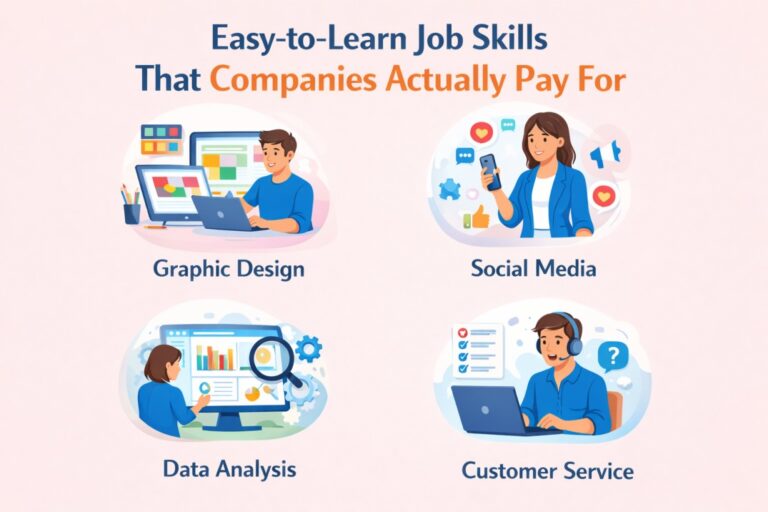
2. Graphic Design
Designers often spend more time staring silently at screens than speaking to people.
Which many designers secretly enjoy.
The work revolves around:
- visuals
- layout thinking
- branding
- creative problem-solving
Not verbal performance.
Freelancers especially can structure communication mostly through text.
Of course difficult clients still exist. Revisions still happen endlessly sometimes.
But compared to telecalling environments, the emotional atmosphere feels completely different.
3. SEO Analyst
One of the most introvert-friendly digital careers.
A lot of SEO work involves:
- keyword analysis
- technical audits
- ranking observation
- competitor research
- content planning
Long stretches of focused independent work.
Many SEO specialists spend entire afternoons silently analyzing traffic drops or optimizing site structures.
Minimal calls.
Minimal performance theatre.
For analytical personalities, this feels significantly calmer than client-facing marketing roles.
[IMAGE: flat illustration style]
4. Video Editing
Editors often communicate more with timelines than humans.
That sounds depressing to extroverts.
Peaceful to introverts.
The job rewards:
- patience
- rhythm
- visual understanding
- attention span
Not conversational energy.
Many YouTube editors in India now work remotely with creators through:
- Telegram
- Notion
- WhatsApp text
- shared drives
No endless meetings.
Just deadlines.
Which some people strongly prefer.
5. Data Analyst
Despite internet hype, much of real analytics work is surprisingly quiet.
Data analysts often spend hours:
- cleaning spreadsheets
- building dashboards
- spotting patterns
- preparing reports
Communication matters eventually because insights must be explained.
But the daily workflow usually contains far less nonstop interaction than customer-facing roles.
This career suits people who enjoy:
- structured thinking
- problem-solving
- independent focus
Not social improvisation.
6. Technical Writer
One of the most underrated low-call careers in India.
Technical writers explain systems clearly through documentation.
Work includes:
- software manuals
- onboarding guides
- internal knowledge bases
- process documentation
Many companies barely care whether technical writers are socially loud.
They care whether instructions make sense.
Quiet clarity becomes valuable here.
The Social Pressure Problem
Indian society still treats talkative people as naturally more capable.
Especially in offices.
A loud employee entering meetings energetically often gets perceived as leadership material instantly.
Meanwhile quieter workers may actually:
- think deeper
- work faster
- create better outputs
…but receive less visibility.
This affects career choices heavily.
Many introverts force themselves into communication-heavy roles because they think:
“Real careers require constant interaction.”
Not true.
Modern digital work created huge demand for:
- backend thinkers
- creators
- researchers
- editors
- analysts
- documentation specialists
The problem is these careers receive less cinematic attention online.
Nobody makes motivational reels about quietly organizing data.
Jobs That LOOK Low-Call but Secretly Aren’t
Important warning.
Some careers marketed online as “perfect for introverts” still involve constant communication eventually.
Digital Marketing
Depends heavily on role.
SEO?
Usually calmer.
Client servicing?
Call-heavy chaos.
UI/UX Design
The actual design work is quiet.
But corporate UX roles often involve:
- presentations
- stakeholder meetings
- workshops
- feedback sessions
Students don’t realize this initially.
Freelancing
People imagine freelancers silently working from cafes peacefully.
Reality often includes:
- difficult client negotiations
- revision calls
- payment follow-ups
- sales conversations
Freelancing still requires communication skills eventually.
Just differently.
[IMAGE: flat illustration style]
Why Quiet Workers Often Thrive Later
One strange workplace pattern repeats constantly.
Quiet employees sometimes struggle early career because visibility matters heavily in junior roles.
But later, specialized skills start mattering more.
A calm, highly reliable specialist eventually becomes valuable because companies desperately need:
- dependable execution
- focused thinking
- low-drama workers
Especially after organizations become exhausted by performative personalities creating noise without results.
The modern internet rewards attention-seeking behavior publicly.
But inside actual companies, reliable quiet workers often become operationally essential.
Not glamorous.
Essential.
What Introverts Should Stop Doing
First:
Stop forcing fake extroversion constantly.
Temporary adaptation is fine.
Permanent performance becomes exhausting.
Second:
Stop assuming communication means endless speaking.
Clear writing is communication too.
Deep listening is communication too.
Structured thinking is communication too.
Third:
Stop choosing careers entirely based on salary hype.
A ₹10 LPA job destroying your nervous system daily may become worse long-term than a calmer ₹6–7 LPA role with sustainable energy.
Especially after burnout.
The Bigger Problem Nobody Talks About
Modern work culture became incredibly noisy.
Notifications.
Meetings.
Calls.
Voice notes.
Standups.
Quick syncs.
Random check-ins.
Some people adapt naturally.
Others slowly lose concentration and emotional stability inside these environments.
And instead of adjusting career direction, they blame themselves personally.
That’s the tragedy.
Sometimes your brain isn’t broken.
Sometimes the environment is simply incompatible with how you process energy.
Final Thought
A lot of students searching for low-call jobs secretly feel guilty about it.
As if avoiding constant conversation means weakness.
But after watching enough workplaces closely, something becomes obvious:
Many highly competent people simply prefer thinking over talking.
They work best when given:
- uninterrupted focus
- structured tasks
- written communication
- independent problem-solving
And honestly, modern industries need these people badly.
Not every valuable employee needs to become a high-energy meeting machine.
Some of the most useful workers inside companies are the ones quietly solving problems while everyone else keeps scheduling calls about them.
Especially in India, where workplace culture still over-rewards loudness.
The challenge isn’t becoming louder artificially.
The challenge is finding work where your natural way of functioning stops feeling like a flaw.
FAQs
1. Which jobs in India require minimal phone calls?
Content writing, SEO analysis, graphic design, technical writing, data analysis, and video editing usually involve significantly fewer calls compared to sales or customer support roles.
2. Are low-call jobs good for introverts?
Often yes. Many introverts perform better in roles focused on analysis, creativity, writing, or systems work rather than constant social interaction.
3. Do remote jobs reduce call pressure?
Sometimes. Many remote jobs rely heavily on written communication tools like Slack, email, and project boards, though some companies still conduct excessive meetings.
4. Can low-call jobs still pay well in India?
Yes. Experienced professionals in SEO, technical writing, design, analytics, and content strategy can earn strong salaries without spending all day on calls.
5. Is avoiding call-heavy work a bad career decision?
Not necessarily. Sustainable career choices depend heavily on personality compatibility and mental energy management, not just salary or social expectations.
Research Sources
- World Economic Forum – Future of Jobs Report
https://www.weforum.org/reports/the-future-of-jobs-report- NASSCOM Future Skills Report
https://nasscom.in/knowledge-center- LinkedIn Workforce Learning Report
https://www.linkedin.com/business/talent/blog- Economic Times – Jobs & Careers Section
https://economictimes.indiatimes.com/jobs- Investopedia – Career Development Resources
https://www.investopedia.com/careers-4689740