
Feeling lost after graduation? Read H. Suresh’s real-life career story—mistakes, lessons, myths, and practical advice to help students and freshers avoid early career damage and build a strong future.
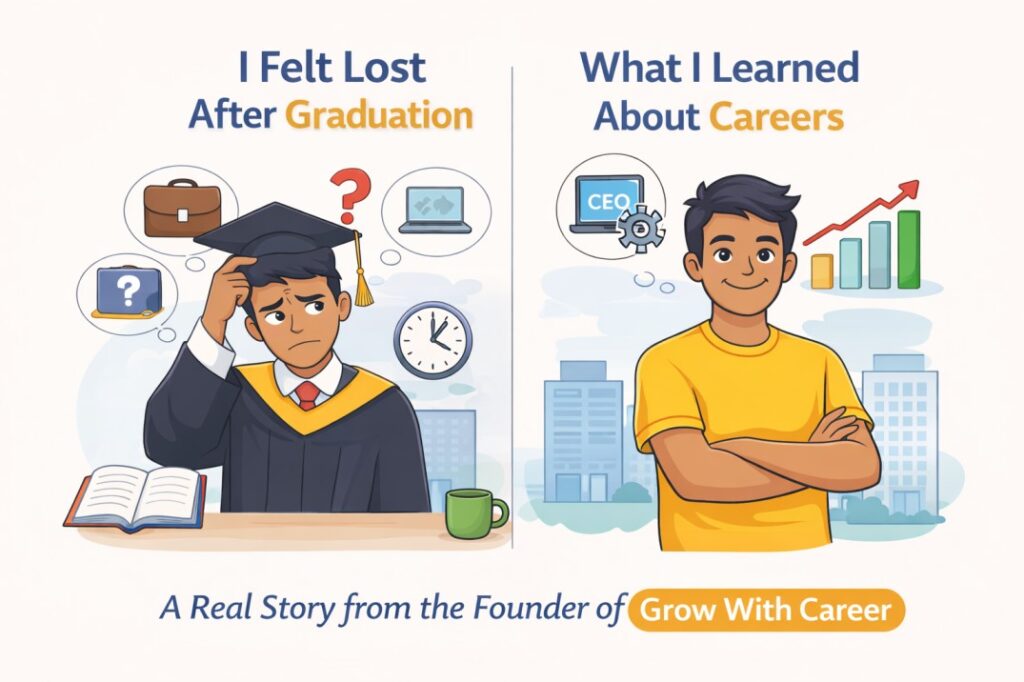
I Felt Lost After Graduation: What I Learned About Careers
By H. Suresh — Founder, Grow With Career
Your early career can build your future—or break it.
Mine almost broke.
Today, I’m 42 years old.
I’m the L&D Head of a well-known organization and the founder of GrowWithCareer.com.
But when I was 21–22 years old, fresh out of graduation, I was completely lost.
No clarity.
No mentor.
No real plan.
And yes—I made some of the worst career mistakes a young professional can make.
This is not a motivational success story.
This is a warning.
If you are a student, fresher, or early-career professional reading this, I want you to see your future self in my past mistakes—so you don’t repeat them.
Let me tell you exactly what happened.
The Day Graduation Ended… Reality Started
Like most Indian graduates, I believed one thing:
“Once I get a degree, things will fall into place.”
They didn’t.
After graduation, I faced:
- Career confusion
- Pressure to earn quickly
- Fear of being left behind
- Constant comparison with others
Everyone around me seemed confident.
I wasn’t.
I didn’t know:
- What role suited me
- What skills mattered
- How careers actually grow
So I did what most people do when they’re confused.
👉 I took the first job that came my way.
That decision cost me years.
Mistake #1: Choosing a Job Just to Escape Confusion
My first job was not aligned with:
- My strengths
- My interests
- My long-term growth
I chose it because:
- Salary felt urgent
- Family expected stability
- I wanted to “start somewhere”
This is a dangerous mindset.
Starting somewhere without direction doesn’t give clarity.
It creates career drift.
Within months, I felt:
- Disconnected from work
- Mentally exhausted
- Professionally invisible
But instead of fixing the root problem, I made another mistake.
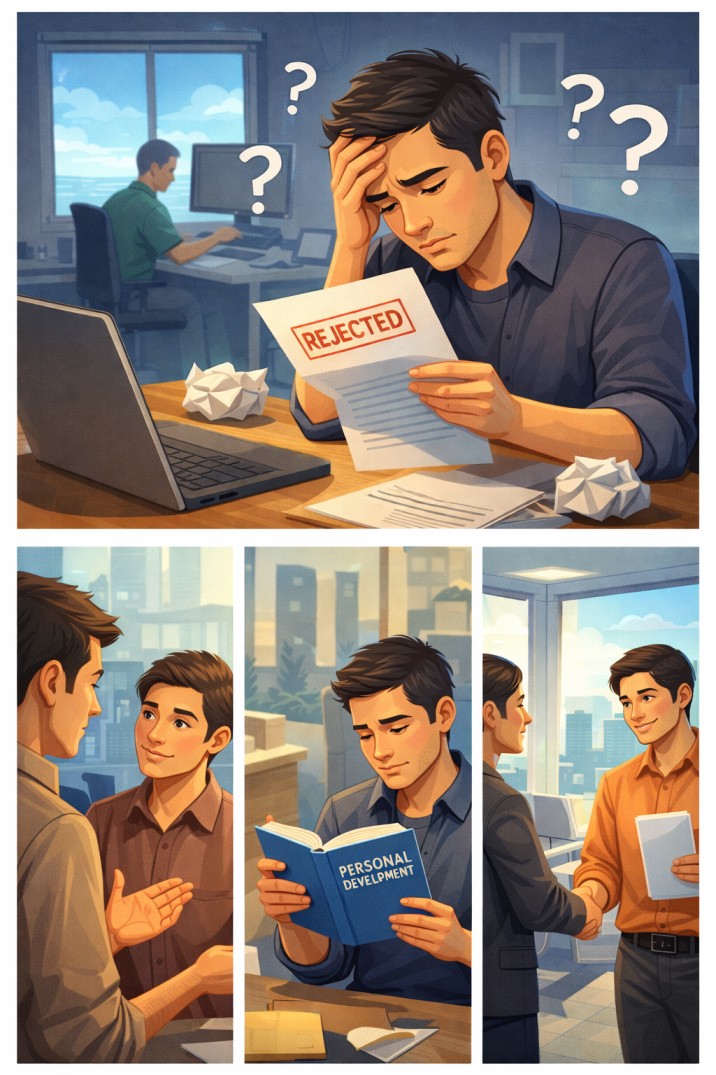
Mistake #2: Believing Hard Work Alone Is Enough
I worked hard.
I stayed late.
I said yes to everything.
But I didn’t work smart.
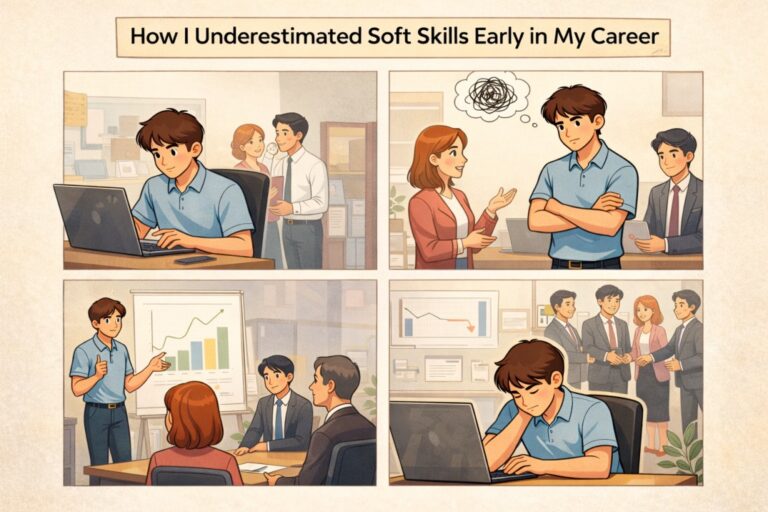
No one told me that:
- Visibility matters
- Skills matter more than effort
- Communication can decide promotions
I assumed good work would “automatically” get noticed.
It rarely does.
This realization came painfully late—and it stalled my growth for years.
If you’re starting your career now, this guide will help you avoid that phase:
👉 Career Growth Roadmap for Freshers
Mistake #3: Ignoring Skill Development Early On
I focused on:
- Job title
- Monthly salary
- Company name
I ignored:
- Transferable skills
- Communication
- Problem-solving
- Learning habits
Back then, no one talked about “upskilling” the way we do now.
But the truth remains the same:
Your skills—not your designation—decide your long-term value.
I lost precious early years doing routine work that added little to my professional growth.
The Turning Point: When I Realized I Was Falling Behind
At around 26–27, I noticed something uncomfortable.
People who started after me were:
- Growing faster
- Earning more
- Getting better roles
That moment hurt.
But it also forced self-reflection.
I asked myself three honest questions:
- What am I actually good at?
- What skills does the market value?
- What kind of work energizes me?
That was the first time I took ownership of my career.
What I Learned About Careers (The Hard Way)
1. Careers Are Built—Not Found
There is no perfect job waiting for you.
Careers are built through:
- Continuous learning
- Strategic decisions
- Course correction
Clarity comes after action, not before it.
2. Your Early Career Is About Learning, Not Impressing
I wasted time trying to look successful instead of becoming valuable.
Your first 5–7 years should focus on:
- Skills
- Exposure
- Strong fundamentals
This article explains it well:
👉 Daily Career Habits That Improve Growth Fast
3. Communication Is a Career Multiplier
I saw average performers grow faster than talented ones—only because they could communicate clearly.
Not fancy English.
Clear thinking. Clear expression.
If I had worked on this earlier, my career trajectory would’ve been very different.
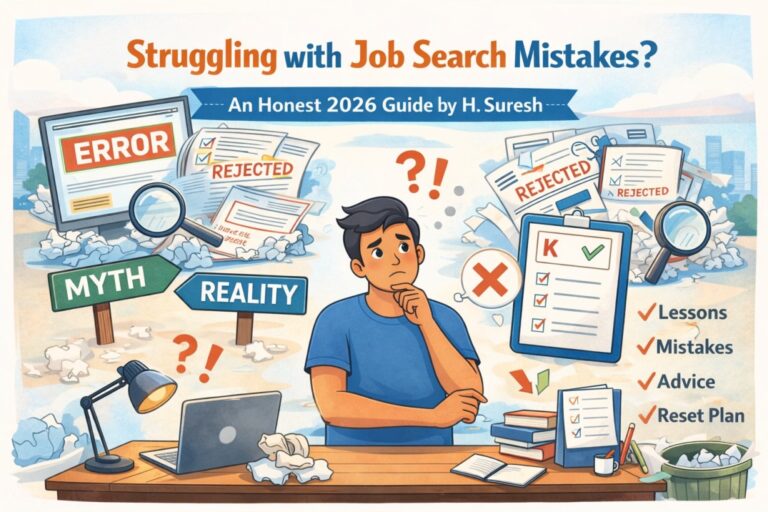
Myth vs Reality: What I Believed vs What Actually Worked
| Myth | Reality |
|---|---|
| Degree decides career | Skills decide growth |
| Loyalty guarantees success | Value creation does |
| Hard work is enough | Visibility + skills matter |
| Late realization = failure | Late realization = wisdom |
Mistake #4: Not Seeking Mentorship
I tried to figure everything out alone.
That was ego.
And ignorance.
One good mentor can:
- Save you years of trial and error
- Show blind spots
- Accelerate growth
Today, I strongly encourage young professionals to ask questions early.
Why I Started Grow With Career
GrowWithCareer.com was born from regret.
Regret of:
- Not having guidance
- Making avoidable mistakes
- Learning things the hard way
This platform exists so that:
- Students don’t feel lost after graduation
- Freshers don’t waste early years
- Professionals course-correct before burnout
If you’re struggling to find direction, start here:
👉 How to Set Career Goals and Actually Achieve Them
Common Mistakes I See Young Professionals Making Today
❌ Chasing salary without skills
❌ Switching jobs without learning
❌ Ignoring communication gaps
❌ Waiting for confidence before action
❌ Comparing timelines with others
I made most of these mistakes myself.
That’s why I recognize them instantly.
Editor’s Pick: One Career Rule I Live By
“Your career grows in the direction of your daily habits.”
Not motivation.
Not luck.
Not shortcuts.
Habits.
FAQs: Feeling Lost After Graduation
1. Is it normal to feel lost after graduation?
Yes. Almost everyone does—even those who look confident.
2. Did you waste your early career?
I wouldn’t say waste—but I definitely delayed my growth.
3. Can early mistakes be fixed?
Absolutely. Awareness itself is a turning point.
4. What should freshers focus on first?
Skills, communication, and learning mindset.
5. Is it too late to change direction after 25?
No. It’s only late if you don’t start.
6. How important is the first job?
Important—but not permanent. Learn, then pivot if needed.
7. What’s the biggest career advice you’d give today?
Don’t drift. Decide consciously.
Final Words: Learn From My Past—Not Your Own Mistakes
If you feel lost after graduation, I want you to remember this:
You are not behind.
You are not incapable.
You are just early in the journey.
But what you do now matters more than you realize.
Don’t repeat my mistakes.
Build skills early.
Ask questions.
Take ownership.
Your future self is watching.
Strong CTA (Action Step)
If you’re at the start of your career, read this next—don’t skip it:
👉 The Biggest Mistakes I Made in My Early Career—and How You Can Avoid Them
Make better choices earlier than I did.
That’s why Grow With Career exists.
Research Sources
- World Economic Forum – Future of Jobs Report
https://www.weforum.org/reports/the-future-of-jobs-report- NASSCOM Future Skills Report
https://nasscom.in/knowledge-center- LinkedIn Workforce Learning Report
https://www.linkedin.com/business/talent/blog- Economic Times – Jobs & Careers Section
https://economictimes.indiatimes.com/jobs- Investopedia – Career Development Resources
https://www.investopedia.com/careers-4689740